




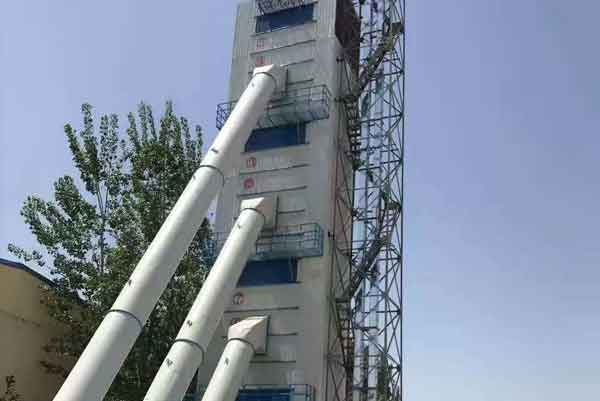

In modern agricultural processing, efficient grain drying is critical to preserving crop quality, preventing spoilage, and maximizing market value. Among the various drying solutions available, theséchoir à grains à tour stands out as one of the most widely adopted systems for large-scale grain treatment. But how exactly does aséchoir à grains à tour operate? What are the key components, airflow principles, and temperature control mechanisms that make it so effective? This article provides a comprehensive, technically grounded explanation of the working principles of aséchoir à grains à tour, covering its structural design, thermodynamic operation, moisture removal process, and practical advantages in commercial farming.
What Is a Tower Grain Dryer?
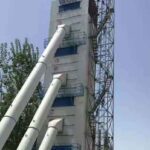
Aséchoir à grains à tour is a vertical continuous-flow drying system designed to reduce the moisture content of harvested grains such as corn, wheat, riz, soybeans, and barley. Unlike batch dryers that process grain in discrete loads, unséchoir à grains à tour allows grain to flow continuously from the top to the bottom under gravity, passing through multiple drying and tempering zones along the way. This design delivers high throughput, uniform moisture removal, and energy efficiency, making theséchoir à grains à tour the equipment of choice for large farms, grain elevators, and commercial processing facilities.
Key Structural Components of a Tower Grain Dryer
To understand how aséchoir à grains à tour works, it is essential to first examine its core structural elements:
- Receiving Hopper and Inlet Section — Wet grain enters the séchoir à grains à tour through a top-mounted receiving hopper, which distributes the grain evenly across the cross-section of the tower. An inlet conveyor or gravity chute feeds grain into the upper chamber at a controlled rate.
- Drying Columns or Plenum Chambers — The main body of a séchoir à grains à tour consists of vertical columns through which grain descends. Perforated metal sheets or screens line both sides of these columns, allowing hot air to pass horizontally through the grain mass while preventing grain loss.
- Heating System and Burner Unit — A gas, diesel, or biomass burner generates the hot air required for moisture evaporation. In a typical séchoir à grains à tour, the burner heats air to a carefully regulated temperature, typically between 60°C and 120°C depending on grain type and moisture level.
- Fan and Air Distribution System — High-capacity axial or centrifugal fans push hot air into the plenum chambers. The design of the séchoir à grains à tour ensures that heated air passes uniformly through the grain columns, maximizing contact time and heat transfer efficiency.
- Discharge Mechanism — At the bottom of the séchoir à grains à tour, a variable-speed discharge system — typically a rotary valve, sweep auger, or vibratory feeder — extracts dried grain at a rate matched to the inflow, maintaining a consistent column height within the tower.
The Step-by-Step Working Process of a Tower Grain Dryer
The operation of aséchoir à grains à tour can be broken down into six sequential stages:
Stage 1: Grain Intake and Pre-Cleaning
Before entering theséchoir à grains à tour, harvested grain typically passes through a pre-cleaning stage that removes chaff, poussière, noyaux cassés, and foreign materials. Pre-cleaning is not strictly part of theséchoir à grains à tour itself but is essential for safe operation. Clean grain ensures even airflow distribution within theséchoir à grains à tour and reduces fire risk from combustible dust accumulation near the burner.
Stage 2: Uniform Distribution Across the Tower
Once inside theséchoir à grains à tour, the grain must spread evenly across the full width of the drying columns. Mostséchoir à grains à tour designs incorporate spreading cones, distributor plates, or rotating seeders near the inlet. If the grain piles unevenly, airflow resistance varies across the column, producing inconsistent drying results. Therefore, proper distribution is a critical performance factor for anyséchoir à grains à tour.
Stage 3: The Drying Zone — Hot Air Meets Grain
As grain descends through theséchoir à grains à tour, it enters the drying zone where heated air flows horizontally through the perforated screens and into the grain mass. This cross-flow design is the defining feature of aséchoir à grains à tour. Hot air enters at one side of the drying column, passes through the grain layer, and exits through the opposite screen.
The heat from the air raises the temperature of the grain kernels, causing water molecules within the kernel to gain energy and transition from liquid to vapor. The moving air carries this moisture vapor away from the grain surface and out of theséchoir à grains à tour through exhaust ducts. This process is governed by the principles of psychrometrics — the hotter the air and the lower its relative humidity, the greater its capacity to absorb moisture from the grain.
Stage 4: Tempering Zones — Moisture Equilibration
A key design innovation in modernséchoir à grains à tour systems is the inclusion of intermediate tempering or resting zones. After passing through a heated drying section, the grain moves into a region where no heated air is applied. During this tempering phase, internal moisture within each kernel migrates from the center to the surface through diffusion.
This step is crucial because if aséchoir à grains à tour applies heat too aggressively without tempering, the kernel surface dries faster than the interior — a phenomenon known as case-hardening. Case-hardened grain suffers from reduced milling quality, increased breakage, and poor germination rates. By alternating drying and tempering cycles, a well-designedséchoir à grains à tour achieves gentle yet efficient moisture removal.
Most commercialséchoir à grains à tour models incorporate multiple drying-tempering stage pairs stacked vertically, allowing grain to undergo two, three, or even four drying passes within a single pass through theséchoir à grains à tour itself.
Stage 5: Cooling Zone
Before the grain exits theséchoir à grains à tour, it passes through a cooling section at the base of the tower. Ambient or slightly cooled air flows through the grain to reduce its temperature to near-ambient levels. Cooling serves two essential purposes:
- It stops the drying process at the precise target moisture content.
- It prevents rewetting — warm grain left in storage can cause moisture migration within the silo, leading to condensation and spoilage.
In a well-calibratedséchoir à grains à tour, the cooling zone is carefully separated from the drying zones to prevent heat loss and maintain thermal efficiency.
Stage 6: Discharge and Storage
Dry, cooled grain exits theséchoir à grains à tour through the discharge mechanism and is conveyed to storage bins or silos. The discharge rate directly controls the residence time of grain inside theséchoir à grains à tour. Slower discharge means longer exposure to heat and greater moisture removal; faster discharge reduces drying intensity. Operators of aséchoir à grains à tour adjust the discharge speed based on incoming moisture content, grain type, and ambient weather conditions.
Temperature Control and Safety Systems
Controlling the temperature inside aséchoir à grains à tour is fundamental to both grain quality and equipment safety. Modernséchoir à grains à tour units are equipped with programmable logic controllers (PLCs) that monitor:
- Plenum air temperature
- Exhaust air temperature
- Grain temperature at multiple tower heights
- Moisture content of discharged grain
If the temperature in any zone of theséchoir à grains à tour exceeds the safe limit, the PLC automatically modulates the burner or increases airflow. Mostséchoir à grains à tour systems also include flame arrestors, over-temperature alarms, emergency shut-off valves, and rotational monitoring sensors to prevent blockages and fires.
Factors Affecting Tower Grain Dryer Performance
The efficiency and output of aséchoir à grains à tour depend on several variables:
- Initial Moisture Content — Higher moisture content requires longer residence time or higher air temperature. A séchoir à grains à tour processing corn at 28% moisture will operate at significantly lower throughput than the same unit handling 18% moisture grain.
- Ambient Air Conditions — In humid climates, ambient air carries more moisture, reducing the drying capacity of the séchoir à grains à tour. Operators may need to increase air temperature or reduce throughput.
- Grain Type and Variety — Different grains have different kernel sizes and moisture diffusion rates. A séchoir à grains à tour optimized for wheat may require screen changes or airflow adjustments to handle rice or soybeans efficiently.
- Airflow Uniformity — If the grain column in a séchoir à grains à tour is too thick, air may not penetrate fully, resulting in under-dried grain near the center. Column thickness in séchoir à grains à tour design typically ranges from 200 mm to 500 mm per column.
Tower Grain Dryer Advantages
Why do so many agricultural operations choose aséchoir à grains à tour over other drying methods?
- Continuous operation — Unlike batch dryers, un séchoir à grains à tour processes grain non-stop, delivering high daily throughput.
- Energy efficiency — Multi-stage drying and heat recovery designs in a séchoir à grains à tour reduce fuel consumption per ton of grain dried.
- Uniform drying — The gravity-flow design of a séchoir à grains à tour ensures each kernel receives similar heat exposure.
- Gentle grain handling — No mechanical agitation means less kernel damage. A séchoir à grains à tour relies on gravity, not augers or paddles, to move grain.
- Scalability — Tower grain dryer units can be built in single, double, or triple-column configurations to match capacity requirements from 10 tons per hour to over 100 tons per hour.
Tower Grain Dryers Common Maintenance Considerations
To keep aséchoir à grains à tour operating at peak efficiency, regular maintenance is essential. Key areas include:
- Inspecting perforated screens for blockages caused by weed seeds or fines
- Cleaning burner nozzles and checking fuel filters
- Lubricating fan bearings and discharge drive components
- Calibrating moisture sensors and temperature probes
- Checking structural welds and support frames, especially in larger séchoir à grains à tour installations
Conclusion
Aséchoir à grains à tour is a marvel of agricultural engineering that combines thermodynamics, material handling, and precision control into a single integrated system. By moving grain vertically through alternating drying and tempering zones, theséchoir à grains à tour achieves efficient, uniform moisture removal while preserving grain quality. Understanding the internal working process of aséchoir à grains à tour — from grain intake and hot air distribution to tempering, cooling, and discharge — helps operators optimize their drying operations, reduce fuel costs, and protect the value of their harvest. Whether you are a farm manager evaluating new equipment or an agricultural engineer designing post-harvest systems, mastering the principles behind theséchoir à grains à tour is an essential step toward better grain management.