




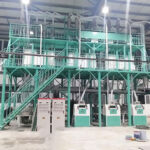
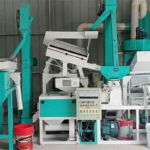
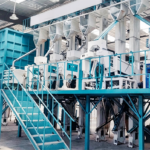
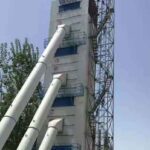
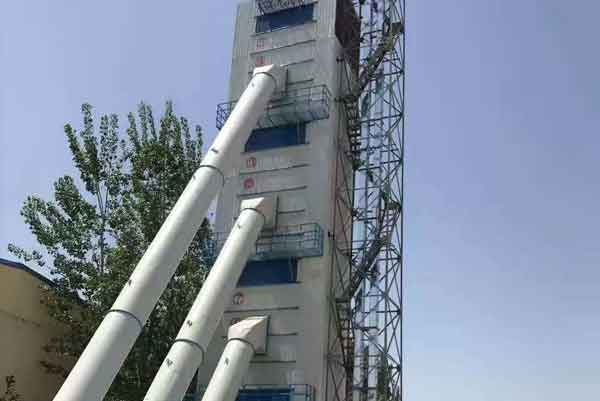

Tower grain dryers are the backbone of modern commercial grain operations, serving as the workhorses that transform freshly harvested, high-moisture grain into safe, storable commodities. These vertical drying systems are designed to remove moisture from grains efficiently and uniformly, which is essential for preventing spoilage and maintaining crop quality throughout the storage period. However, like any piece of heavy industrial equipment, a tower grain dryer requires consistent, thorough maintenance to deliver optimal performance year after year.
Neglecting proper tower grain dryer maintenance can lead to costly consequences—from uneven drying and excessive energy consumption to catastrophic equipment failure and even fires. Every year, tens of thousands of dollars are spent on claims caused by grain dryers, and dryer fires have the potential to destroy grain and equipment while leading to considerable downtime, workplace safety issues, and lost revenue.
This comprehensive guide will walk you through everything you need to know about tower grain dryer maintenance—from daily inspections and weekly checks to seasonal servicing and troubleshooting common problems. Whether you are a facility manager, agricultural engineer, or equipment operator, this article will equip you with the knowledge to keep your tower grain dryer running safely, efficiently, and reliably throughout the drying season and beyond.
Why Tower Grain Dryer Maintenance Matters
Before diving into the specific maintenance procedures, it is worth understanding why regular maintenance of your tower grain dryer is so critical. A well-maintained tower grain dryer delivers consistent drying results, preventing under-dried or over-dried grain that compromises quality and increases waste. It minimizes the likelihood of unexpected failures during peak operational periods when downtime is most costly. Clean, well-maintained systems use less energy, significantly lowering operational costs. Routine checks help identify and address potential hazards—such as faulty wiring or burner issues—before they escalate into dangerous situations. And perhaps most importantly, regular maintenance extends the service life of every component, protecting your capital investment and maximizing returns on your equipment.
The three most common causes of grain dryer fires are inadequate training, improper maintenance, and failure to follow proper start-up or shutdown procedures. All three of these factors can be addressed through a disciplined tower grain dryer maintenance program.
Safety First: Preparing for Tower Grain Dryer Maintenance
Safety must be your top priority before performing any maintenance on a tower grain dryer. These machines involve complex mechanical systems, high-voltage electrical components, and potentially flammable materials. Adhering to strict safety protocols protects both the equipment and the personnel performing the maintenance.
Essential safety measures for tower grain dryer maintenance:
- Disconnect all power sources before beginning any maintenance task. Ensure the tower grain dryer is completely disconnected from its power supply to eliminate the risk of electrical shocks.
- Turn off the gas supply and verify that the flow of gas has been completely stopped.
- Allow the tower grain dryer to cool down entirely before inspecting or cleaning internal components to avoid burns or heat-related injuries.
- Wear proper personal protective equipment (PPE) including safety glasses, work boots, gloves, dust masks, and steel-toed boots to protect against debris, dust, and sharp edges.
- Follow lockout/tagout (LOTO) procedures to isolate all energy sources, including electricity and fuel lines, and tag them as “off” to prevent accidental activation.
- Keep a fire extinguisher nearby, especially when working with burner systems, and consider having a second person present as a safety precaution.
- Never operate the tower grain dryer while any guards are removed.
- Read and understand the operating manual before attempting to operate or service the tower grain dryer.
These safety protocols are not optional—they are essential for protecting your team and your equipment.
Daily Tower Grain Dryer Maintenance Checklist
Daily maintenance is the first line of defense against equipment failure. These routine checks should be performed before, during, and after the tower grain dryer is in operation.
Visual Inspection
Begin each day with a thorough visual inspection of the tower grain dryer. Walk around the entire system with a notepad to make reminders of what needs attention. Look for signs of wear, damage, or unusual conditions. Check that all access doors are properly secured.
Clean Exterior Screens
Keep exterior screens clean, especially on tower-style dryers. Blocked screens restrict airflow and reduce drying efficiency while increasing the risk of overheating. Cleaning should be done daily and includes removing all debris from screens and intake areas.
Check Sensors and Monitoring Systems
Inspect all sensor cables for cuts, fraying, and weathering. Make sure connections to the main panel, burner boxes, and sensors are tight. Hazard monitoring systems need to be checked for proper function. Verify that temperature and moisture sensors are reading correctly.
Inspect Airflow
Check for proper airflow through the tower grain dryer. Listen for unusual sounds that might indicate blockages or mechanical issues. Ensure that air intakes and distribution channels are free from debris and dust buildup.
Monitor Burner Operation
During operation, verify that the burner is firing correctly. Using inspection windows, check that flames are mostly blue with occasional orange tips—this indicates proper combustion. Any significant deviation from this pattern may indicate a problem requiring immediate attention.
Clean the Cooling Chamber Floor
Do not let grain fines and dust accumulate inside the tower grain dryer. If drying most products, clean the cooling chamber floor of fines and dust bi-weekly; if drying milo or other fine materials, this should be done daily. Sweep down the cooling section sheets as necessary and sweep accumulated dust off the metering drum drive motor and gearbox.
Weekly Tower Grain Dryer Maintenance Checklist
Weekly maintenance involves more in-depth inspections that complement daily tasks. These checks target components that may not show immediate signs of wear but can degrade over time.
Lubrication
Lubricate all moving parts according to the manufacturer’s specifications. Blower shaft bearings should be lubricated every four weeks of tower grain dryer operation using high-quality, grade #2 lithium-based grease. Lubricate slowly until lubricant shows through the seal, then wipe clean. For blower motor bearings, lubrication is typically required every two years under normal operation.
Important lubrication tips:
- Clean the grease fitting before lubricating
- Remove the grease relief plug and use a low-pressure grease gun
- Pump in the required amount of grease—do not over-grease
- After re-lubricating, allow the motor to run for 10 minutes before replacing relief hardware
- In extremely dirty conditions, grease more frequently than the standard schedule
Inspect Belts and Chains
Check blower belts for proper tension and damage. Inspect the condition of belts, chains, augers, chain conveyors, and sprockets. Worn components can lead to failure of the unloading system during harvest. Tighten or replace components as necessary. Belts or chains that skip, jerk, or make strange noises should be tightened or replaced immediately.
Inspect Bearings
Visually inspect all bearings to see if they need replacing or show signs of wear. Check that shafts are not broken and that bearings move freely. Pay special attention to the metering drum drive shaft bearing and other critical bearing points.
Clean Spill Areas
Clean up around the tower grain dryer and remove any spilled grain or debris that could attract pests or create fire hazards. Keep the area around the dryer clear of combustible materials.
Check Electrical Connections
Inspect power and control panel boxes for insect infestation. Be aware of any areas that may allow rain, snow, or birds to enter these boxes, and make necessary repairs. Inspect burner ignition wires, flame detection wires, and control and power panel wiring for deterioration, replacing any damaged wiring. Take time to inspect and tighten all wiring connections that might have loosened during the drying season.
Seasonal Tower Grain Dryer Maintenance
Seasonal maintenance is the most comprehensive level of care for your tower grain dryer. These procedures should be performed before the drying season begins (pre-season) and after it ends (post-season).
Pre-Season Tower Grain Dryer Inspection (30-60 Days Before Harvest)
Industry best practices recommend completing thorough inspections and service procedures 30-60 days before expected harvest. This timing allows for any necessary repairs or replacement parts to be ordered and installed before the busy season begins.
Pre-season checklist for your tower grain dryer:
- Shut off electrical power and open power and control boxes to inspect for moisture or damage
- Lubricate blowers, motors, and metering systems as outlined in the lubrication table
- Check blower belts for proper tension and replace if worn
- Inspect and clean the burner assembly thoroughly, removing all residue and debris
- Inspect burner tubes and elements for cracks, warping, or corrosion
- Check gas line connections and pressure regulators for leaks
- Inspect the flame rod and spark ignitor for proper function
- Inspect the divider hopper between the heating and cooling sections
- Inspect bindicator grain level switches for proper operation
- Check gas pressure gauges for accuracy
- Clean control and power panels, tighten loose connections, and check for leaks
- Inspect metering systems and clean accumulated stalks and old grain
- Start up the tower grain dryer and check all operating controls
- Verify loading and unloading systems are working properly
- Restore fuel supply and test fire the burners, adjusting operational temperatures as needed
- Check for leaks using soap and water while burners are running
- Inspect pressure gauges to ensure they are working
End-of-Season Tower Grain Dryer Shutdown Procedure
Properly shutting down your tower grain dryer at the end of the season is just as important as pre-season preparation. Grain left in the dryer for extended periods can become wet, swell, and spoil, placing undue stress on interior and exterior sheeting.
End-of-season checklist:
- Start unload and empty all grain from the tower grain dryer
- Clean out grain cushion on the plenum roof under the fill spout
- Clean the plenum roof thoroughly
- Clean off grain exchangers
- Clean out the divider hopper between heating and cooling sections
- Clean inside cooling sheets and cooling floor
- Remove all grain and trash from the unload section of the tower grain dryer
- Open emergency grain discharge doors
- Open the drain valve in the gas train
- Cover the burner with a tarp or plastic sheeting to ensure a clean burner for next season
- Open all accessible doors and completely clean out all remaining material with pressurized air or a high-pressure sprayer
- After clearing, leave access doors open during the non-drying season to allow ventilation
- Lubricate all components according to the manufacturer’s specifications before storage
The tower grain dryer should not be used for grain storage. Chunks of spoiled grain can plug the metering system, and swelled grain can damage the dryer’s structure.
Troubleshooting Common Tower Grain Dryer Problems
Even with the best maintenance program, issues can occasionally arise with your tower grain dryer. Understanding how to identify and address common problems will help you minimize downtime and maintain drying quality.
Uneven Drying
Uneven drying is one of the most common problems with tower dryers, resulting in some grain being over-dried while other portions remain under-dried.
Common causes:
- Airflow issues: Inadequate or uneven airflow from blockages in air ducts or dust buildup in air intake and distribution channels
- Material distribution problems: Uneven feeding of grain into the tower grain dryer
- Blockages in grain columns: Fine material buildup inside the columns
- Hot air short circuit: Reduced installation quality of the drying tower
Troubleshooting steps:
- Inspect air ducts for blockages and clean air intake filters regularly
- Use an anemometer to measure airflow at different points in the tower
- Adjust dampers or fans to balance airflow
- Review the feeding system and ensure material is evenly spread across the dryer’s inlet
- Check the tower grain dryer for fine material buildup inside columns and clean as needed
- Avoid leaving the dryer columns full for long periods (2-3 days) while not operating
High Energy Consumption
High energy consumption increases operating costs and has environmental implications.
Common causes:
- Insulation problems: Poor insulation leads to significant heat loss
- Inefficient heating system: Outdated or malfunctioning burners consume more fuel than necessary
Troubleshooting steps:
- Check insulation for damage or wear and repair or replace as needed
- Add additional insulation to improve energy efficiency
- Have the heating system serviced regularly
- Calibrate burners to ensure optimal efficiency
- Check the fuel supply for leaks or blockages
Excessive Noise
Excessive noise from a tower grain dryer can indicate underlying mechanical problems.
Common causes:
- Mechanical issues: Loose or worn components such as belts, pulleys, or bearings
- Vibration: Unbalanced fans or motors
- Improper installation or leveling
Troubleshooting steps:
- Check all moving parts of the tower grain dryer
- Tighten any loose belts or pulleys
- Replace worn-out bearings
- Lubricate moving parts as recommended by the manufacturer
- Use vibration analysis tools to identify the source of vibration
- Have unbalanced fans or motors balanced by a professional
- Ensure the tower grain dryer is properly installed and leveled
Fire Prevention and Emergency Response
Fire prevention is a critical aspect of tower grain dryer maintenance. The Occupational Safety and Health Administration (OSHA) requires cleaning grain dryers every 24 hours at a minimum, but some circumstances may require more frequent cleaning.
Fire prevention measures:
- Clean the tower grain dryer regularly to prevent the accumulation of grain fines and dust that can ignite
- Ensure the tower grain dryer is equipped with an automatic shutdown system that can cut off fuel or heat sources, stop grain flow, and sound an alarm
- Direct-heat grain dryers must be equipped with automatic controls to shut off the fuel supply in the event of system failure
- Provide a fire watch after the tower grain dryer has been shut down
- Keep exterior screens clean to prevent overheating
- Ensure all electric wiring, burner systems, and other key components are installed by a professional and meet manufacturer recommendations and applicable codes
In case of fire:
- Shut down the entire drying operation immediately, including grain flow into and out of the tower grain dryer
- Shut off electrical and fuel supply to the dryer
- Do not try to cool a fire by running the fan(s)—this can feed the fire with oxygen
- Never run grain from the dryer into the elevator or storage if a fire is known or suspected
- Locate the area of the fire
- If the fire can be extinguished with a fire extinguisher, water hose, or by removing burning material, do so immediately
- Watch the dryer closely for another fire after one has occurred
- Use emergency discharge slide gates at the bottom of each column to dump grain
- If a fire seems to be getting out of control, call the fire department immediately
Record Keeping and Documentation
A key but often overlooked aspect of tower grain dryer maintenance is proper documentation. Always refer to your operator’s manual for maintenance checklists, recommended lubrication products and intervals, and other important information.
What to document:
- Daily inspection results and any issues identified
- Weekly maintenance performed including lubrication, belt adjustments, and cleaning
- Seasonal service records including pre-season and post-season checklists
- Repairs and replacements with dates and parts used
- Troubleshooting incidents and their resolutions
- Burner calibration records and temperature settings
Good record keeping helps you track the performance of your tower grain dryer over time, identify recurring issues, and plan for future maintenance needs.
Conclusion
Your tower grain dryer is one of the most valuable assets in your grain handling operation. It is the workhorse that transforms high-moisture grain into safe, storable commodities. But like any workhorse, it requires consistent care and attention to perform at its best.
We have covered the essential aspects of tower grain dryer maintenance in this comprehensive guide—from daily visual inspections and weekly lubrication to thorough pre-season preparation and proper end-of-season shutdown. We have explored the critical importance of safety protocols, the common problems you may encounter and how to troubleshoot them, and the fire prevention measures that can protect your equipment, your grain, and your people.
Remember these key takeaways:
- Regular maintenance prevents costly breakdowns and extends the service life of your tower grain dryer
- Safety must always come first—disconnect power, shut off gas, use proper PPE, and follow lockout/tagout procedures before any maintenance work
- Daily cleaning is essential, especially of exterior screens and the cooling chamber floor
- Lubrication schedules must be followed using the correct grease and proper techniques
- Seasonal inspections (pre-season and post-season) are critical for catching problems before they become emergencies
- Fire prevention requires vigilance—clean regularly, maintain automatic shutdown systems, and always conduct a fire watch after shutdown
- Document everything—good records help you track performance and plan for future maintenance
A well-maintained tower grain dryer delivers consistent drying results, minimizes downtime during peak harvest periods, saves energy, and keeps your employees safe. By investing time and effort in proper maintenance, you are not just protecting your equipment—you are protecting your entire operation.
We Want to Hear From You!
Thank you for taking the time to read this comprehensive guide on tower grain dryer maintenance. We hope you found the information valuable and that it will help you keep your equipment running smoothly for years to come.
Now we would love to hear from you! What are your biggest challenges when it comes to maintaining your tower grain dryer? Do you have any maintenance tips or tricks that have worked well for your operation? Have you experienced any of the issues discussed in this article, and how did you resolve them?
Please share your thoughts, experiences, and questions in the comments section below. Your insights could help other grain facility managers and operators who are facing similar challenges.
And if you found this article helpful, please share it on your social media platforms—Facebook, LinkedIn, Twitter, or wherever your network gathers. Sharing knowledge helps the entire agricultural community operate more safely and efficiently.
Don’t forget to bookmark this page for future reference, and subscribe to our blog for more expert insights on grain handling equipment, maintenance best practices, and industry trends.
Thank you for being part of our community. We look forward to reading your comments and continuing the conversation!