




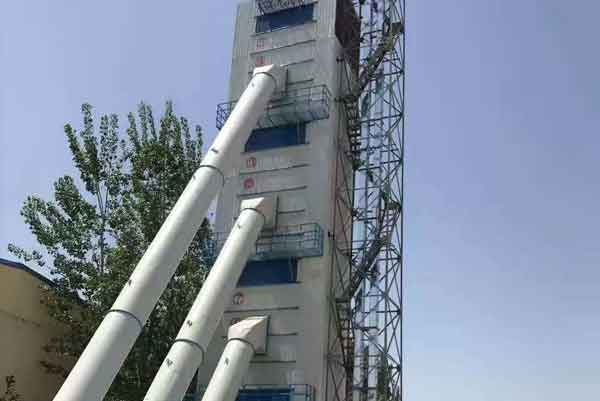

When it comes to investing in post-harvest grain handling equipment, tower grain dryer prices are often the first question that comes to mind for farmers, cooperatives, and grain processing enterprises. Understanding the cost landscape is essential for making a smart, long-term investment.
So, what can you expect to pay for a tower grain dryer? The price range is broad—typically spanning from $14,000 to over $420,000 depending on capacity, features, and configuration. Small-capacity units (5–20 tons/batch) generally fall in the $14,000–$42,000 range, while medium-sized equipment (20–50 tons/batch) ranges from $42,000 to $112,000. Large industrial models with fully automatic continuous drying lines can exceed $250,000 and reach upwards of $420,000.
But tower grain dryer prices are never a one-size-fits-all number. Multiple factors contribute to the final cost, and understanding these variables will help you make a more informed purchasing decision. Below, we break down the key factors that influence tower grain dryer prices.
Key Factors Affecting Tower Grain Dryer Prices
1. Capacity and Throughput
The single most significant factor determining tower grain dryer prices is capacity—how many tons of grain the equipment can process per batch or per day. Unsurprisingly, larger capacity means higher costs.
- Small-capacity dryers (5–20 tons/batch): $14,000–$42,000
- Mid-sized dryers (20–50 tons/batch): $42,000–$112,000
- Large-capacity dryers (50–200 tons/batch): $112,000–$420,000
For reference, a 30-ton corn dryer in the Chinese market typically costs around 130,000 RMB (approximately $18,000 USD), while 35-ton and 100-ton models range from 220,000 to 260,000 RMB. The global market for grain tower dryers was valued at approximately $174 million in 2024 and is projected to reach $237 million by 2031, reflecting steady growth in demand.
When evaluating capacity, consider not just your current needs but also future scalability. Purchasing a model that can grow with your operation avoids the expense of premature replacement.
2. Heat Source and Fuel Type
The type of heat source powering your tower grain dryer has a substantial impact on both upfront tower grain dryer prices and ongoing operating costs. Common heat source options include:
- Coal-fired: The most affordable upfront option, but comes with environmental compliance challenges and higher emissions. Coal-fired systems are typically $10,000–$20,000 cheaper than cleaner alternatives.
- Biomass (straw, wood chips, pellets): A mid-cost option that balances affordability with better environmental performance.
- Diesel or gas: Cleaner-burning but with higher fuel costs. If your farm has access to a natural gas line, drying costs can drop by 30–40%.
- Electric heating / heat pump: The most energy-efficient and environmentally friendly option, but with the highest upfront investment.
The choice of heat source also affects the overall system configuration—a basic tower body with a simple heat source costs significantly less than a complete机组 with a custom-matched hot air furnace and emission control systems. As one industry analysis notes, “the cost of drying corn grain will depend on the type and size of drying system utilized, the amount of moisture to be removed, the weather conditions during the drying period, and the current per unit costs for electricity and drying fuel”.
3. Automation and Control Systems
The level of automation is another major cost driver in tower grain dryer prices. Modern tower grain dryers range from basic manually operated units to fully automated systems with PLC (Programmable Logic Controller) control.
- Basic models: Simple temperature controls, manual adjustments—lower upfront cost but higher labor requirements.
- Semi-automatic systems: Some automated features with manual override—moderate cost.
- Fully automatic PLC-controlled systems: Remote monitoring, real-time temperature precision, automated start/stop, and safety shutdown features—significantly higher cost but reduced labor and improved drying quality.
For high-frequency users like cooperatives and commercial grain processors, the investment in advanced automation typically pays for itself through reduced labor costs and more consistent drying results.
4. Materials and Build Quality
The materials used in construction directly affect both the purchase price and the lifespan of your tower grain dryer. Key material considerations include:
- Steel thickness and quality: Thicker, higher-grade steel costs more but offers greater durability and resistance to corrosion.
- Corrosion-resistant treatments: Stainless steel internals, anti-corrosion coatings, and powder coating (rather than basic paint) add to upfront costs but significantly extend equipment life.
- Insulation quality: Better insulation means higher efficiency and lower energy consumption over the long term.
- Component brands: Premium brands for fans, motors, PLC systems, and sensors come at a higher price but offer better reliability and longer warranties.
As one manufacturer notes, cheaper equipment may start showing signs of wear—paint peeling, air leaks—within 1–2 years, while high-quality products can reliably operate for 8–10 years or more. Tower dryers typically have overall lifespans of 10–20 years.
5. Brand and Manufacturer
Not all tower grain dryers are created equal, and brand reputation plays a significant role in pricing. Established manufacturers with proven track records, ISO certification, and comprehensive after-sales support typically command premium prices.
When evaluating different brands, consider:
- Manufacturer reputation and years in business
- Certifications (ISO, CE, etc.)
- Warranty coverage and spare parts availability
- Technical support and field service capabilities
- User reviews and references from existing customers
While lesser-known brands may offer lower tower grain dryer prices, the potential trade-offs in quality, reliability, and support can offset any initial savings.
6. Additional Features and Customizations
Beyond the core specifications, various add-ons and customizations can increase tower grain dryer prices:
- Dust removal and emission control systems: Increasingly important due to environmental regulations
- Waste heat recovery systems: Reduce energy consumption but add to upfront cost
- Remote monitoring and IoT capabilities: Allow real-time performance tracking from anywhere
- Mobile or portable configurations: Wheeled or trailer-mounted units for multi-location use—typically cost several thousand dollars more than fixed installations
- Custom paint and branding: Minor cost but worth noting for commercial operations
7. Transportation, Installation, and Site Preparation
The final tower grain dryer prices you pay aren’t just about the equipment itself. Large tower dryers are bulky and heavy, requiring specialized transportation. Additional costs to factor in include:
- Shipping and freight: Can be substantial depending on distance and accessibility
- Site preparation: Foundation work, utility connections (especially three-phase power), and access roads
- Installation and assembly: Professional crew required for proper setup
- Commissioning and testing: Ensuring the system operates correctly before handover
Some manufacturers offer “turnkey” packages that include all these services, while others sell “bare tower” units with installation arranged separately. The all-inclusive approach typically costs more upfront but reduces headaches and ensures proper setup.
8. Geographic Location and Market Conditions
Regional factors can also influence tower grain dryer prices:
- Local competition: Areas with multiple manufacturers or dealers may see more competitive pricing
- Import/export duties and tariffs: Can add significantly to costs for international buyers
- Local regulations: Stricter environmental standards may require more expensive emission control systems
- Seasonal demand: Prices may fluctuate based on harvest cycles and buying seasons
The global tower grain dryers market is expected to grow at a CAGR of 4.8% from 2025 to 2031, driven by increasing demand for efficient grain drying solutions and rising focus on agricultural productivity. This growth suggests that prices may trend upward as demand continues to strengthen.
Summary
Tower grain dryer prices vary widely based on a combination of factors: capacity and throughput, heat source type, automation level, material quality, brand reputation, additional features, installation requirements, and geographic location. Small-capacity units start around $14,000, while large industrial systems can exceed $420,000. Beyond the purchase price, ongoing operational costs—fuel consumption (typically 50–70% of operating costs), electricity (10–20%), depreciation (8–15%), and labor (5–12%)—should be carefully considered when calculating your total cost of ownership.
The key to making a smart investment is understanding your specific needs—annual throughput, available fuel sources, budget constraints, and long-term goals—and matching them to the right equipment configuration. As the grain drying market continues to grow and technology advances, investing in a quality tower grain dryer that balances upfront cost with operational efficiency will pay dividends for years to come.
We Want to Hear From You!
Did you find this guide on tower grain dryer prices helpful? Do you have specific questions about choosing the right dryer for your operation? We’d love to hear your thoughts!
📝 Leave a comment below – share your experience, ask questions, or let us know what topics you’d like us to cover next.
📤 Share this post – if you found this information valuable, please share it with your network on Facebook, LinkedIn, Twitter, or WhatsApp. Help other farmers and grain professionals make informed decisions too!