




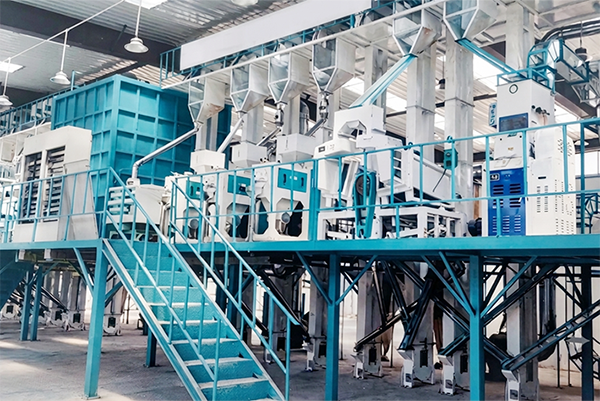

For investors, entrepreneurs, and rice processors looking to enter or expand in the rice milling industry, understanding the fully automatic rice mill plant cost is the first and most critical step toward making a sound investment decision. Rice milling is an essential part of the agricultural industry, especially in countries where rice is the staple food. With growing global demand for high-quality processed rice, fully automatic rice mill plants have become increasingly popular for their efficiency, consistency, and labor-saving capabilities.
So what can you expect to pay for a fully automatic rice mill plant? The fully automatic rice mill plant cost varies dramatically based on capacity, configuration, and features. Small-scale units with capacities of 15–30 tons per day (TPD) typically start from around $5,000**. Medium-sized plants (30–100 TPD) generally start from approximately **$6,000. Large-scale industrial plants (100+ TPD) can start from $10,000 and scale significantly higher.
However, these figures represent baseline estimates for basic configurations. For fully automatic configurations of industrial-scale plants exceeding 20 TPD, prices can range from $35,000 to $120,000. A 40-ton-per-day fully automatic rice mill plant can cost around $300,000**, while a 150-ton-per-day plant may reach **$211,050. Some high-end models with advanced sorting, polishing, and packaging systems have been recorded at $160,000 and above.
In the Indian market, the total investment required to set up a 10-ton rice mill plant generally ranges between ₹1.5 Crore to ₹3.5 Crore (approximately $180,000–$420,000 USD), depending on automation level, plant layout, machinery quality, and installation location. For a 100-ton-per-day rice processing plant, the investment can range from 1 million to 2.6 million yuan (approximately $140,000–$360,000 USD).
But the fully automatic rice mill plant cost is never a one-size-fits-all number. Multiple interrelated factors contribute to the final investment required. Understanding these variables is essential for making informed purchasing decisions that align with both budget constraints and operational goals. Below, we break down the key factors that influence the fully automatic rice mill plant cost.
Key Factors Affecting Fully Automatic Rice Mill Plant Cost
1. Processing Capacity
The single most significant determinant of the fully automatic rice mill plant cost is processing capacity—how many tons of paddy the plant can process per day. Unsurprisingly, higher capacity commands a significantly higher price.
The capacity of a rice processing machine refers to the amount of rice it can process in a given time, usually measured in tons per day (TPD) or tons per hour (TPH). Available capacities range from small (15–30 TPD) to large (100+ TPD), and the price scales accordingly.
- Small-capacity plants (15–30 TPD): Starting from approximately $5,000. These are suitable for small-scale commercial operations, rural entrepreneurs, or farmers looking to process their own paddy.
- Medium-capacity plants (30–100 TPD): Starting from approximately $6,000 for basic configurations, with fully automatic setups ranging significantly higher.
- Large-capacity plants (100+ TPD): Starting from $10,000 and scaling to hundreds of thousands of dollars for fully automated systems with advanced features.
- Industrial-scale plants (100–500 TPD): Can range from $35,000 to over $300,000 depending on configuration and automation level.
Choosing the right capacity is crucial—investing in a plant that exceeds your processing needs means unnecessary capital expenditure, while under-investing can limit growth and profitability. As one industry analysis notes, first-time investors with limited funds and local small business demand should consider 30 TPD as a cost-effective starting point, while operators with stable regional supply chains can choose 60 TPD to balance efficiency and investment.
2. Level of Automation
The degree of automation is another major factor driving the fully automatic rice mill plant cost. Fully automated plants that incorporate advanced technologies and robotics generally have higher upfront costs compared to semi-automated or manually operated setups.
A fully automatic rice mill plant typically includes pre-cleaning, dehulling, milling, grading, color sorting, and packaging—all controlled through integrated systems. The entire operation, from paddy cleaning to rice packing, is automatically controlled. This comprehensive automation adds to the cost compared to semi-automated systems.
However, the higher initial investment in automation offers significant long-term benefits:
- Reduced labor costs: Fully automated processes minimize the need for manual intervention
- Increased efficiency and speed: Automated systems process rice continuously without the need for constant monitoring
- Consistent rice quality: Advanced technology ensures uniform rice yields with minimal breakage
- Lower long-term operating costs: Despite the high initial investment, automation reduces long-term labor and maintenance costs
As the industry moves toward greater efficiency, fully automatic mills are increasingly recognized as a better investment for long-term growth and scalability. Automated systems increase milling yield and reduce broken grains, directly boosting profits.
3. Machine Quality, Materials
The quality of materials and the reputation of the manufacturer significantly influence the fully automatic rice mill plant cost. High-quality machines from reputable manufacturers ensure durability and efficiency but come at a premium price.
Key material considerations include:
- Steel quality and thickness: Higher-grade materials offer greater durability
- Corrosion-resistant treatments: Essential for longevity in humid processing environments
- Component quality: Premium brands for motors, sensors, and control systems offer better reliability
- Frame construction quality: Affects both durability and operational stability
4. Technology and Equipment Configuration
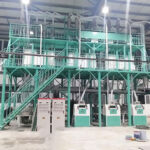
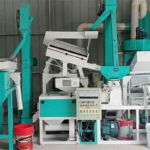
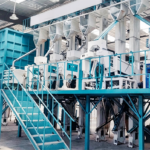
The choice of technology and specific equipment configuration plays a crucial role in determining the fully automatic rice mill plant cost. A complete fully automatic rice mill plant typically includes multiple integrated components:
- Pre-cleaner and de-stoner: Remove dust, stones, and impurities from paddy
- Rubber sheller / husker: Remove the husk from paddy
- Paddy separator: Separate unhusked paddy from husked rice
- Rice whitener: Whiten the milled rice
- Rice polisher: Give rice a smooth, shiny appearance
- Rice grader: Separate different quality rice and separate broken rice from good ones
- Color sorter: Select out bad rice, broken rice, and foreign grains—an essential machine for ensuring high-quality output
- Packaging system: Automatic weighing and packing
The more sophisticated the equipment configuration, the higher the fully automatic rice mill plant cost. For example, a plant with a color sorter commands a premium price compared to one without, but the color sorter is essential for producing export-quality rice that fetches higher market prices. Single-function machines tend to be less expensive than multi-function machines that combine multiple processes. Combined mills that integrate hulling, polishing, and other advanced features can be the most expensive option.
State-of-the-art machinery with advanced features and precision control systems may have a higher price tag, but investors should evaluate their specific requirements and strike a balance between technology, cost, and performance.
5. Land, Building, and Site Preparation
Beyond the machinery itself, infrastructure costs form a significant portion of the total fully automatic rice mill plant cost. The construction of plant infrastructure and site preparation contribute substantially to the overall investment.
For a medium-scale plant, the space requirements are considerable. A 10-ton rice mill plant generally requires 15,000 to 30,000 square feet of space, including processing area, raw material storage, finished goods warehouse, and office space. Building and land costs can range from ₹20 Lakh to ₹60 Lakh (approximately $24,000–$72,000 USD), depending on whether the land is owned or purchased and on the location. Rural areas typically offer lower land costs compared to industrial zones.
Additional site preparation costs include:
- Foundation work: Proper foundation is essential for stable operation of heavy machinery
- Utilities installation: Water supply, drainage, and power connections
- Compliance with safety and environmental regulations
- Access roads for raw material delivery and finished product transport
Proper planning and budgeting for these aspects are essential to avoid cost overruns. As one analysis notes, the PEB or RCC shed typically accounts for 15–25% of the total project cost.
6. Electrical Setup and Power Requirements
Power infrastructure is another critical component of the fully automatic rice mill plant cost. Automatic rice mills require a significant amount of power to operate. A medium-scale plant typically requires a power connection of around 100–150 HP.
Electrical-related costs include:
- Electrical panels and wiring
- Transformer setup
- Machine installation
- Generator for backup power (essential in areas with unreliable grid supply)
For a medium-scale plant, electrical and installation expenses can range between ₹10 Lakh to ₹25 Lakh (approximately $12,000–$30,000 USD). Proper installation ensures smooth operation and reduces the risk of machine breakdown.
Energy consumption is an important ongoing consideration. The cost of electricity or other energy sources can have a significant impact on the overall operating costs of the mill. Energy-efficient models may have a higher initial cost but can save on energy bills in the long run. For a 240-ton-per-day operation (8-hour shift), electricity costs can reach approximately 3,456 RMB per day.
7. Customization and Add-On Features
Customization and additional features can significantly increase the fully automatic rice mill plant cost. Some customers require special configurations such as twice rice milling, polishing, or other specific processing steps.
Common add-ons and customizations include:
- Twice milling / double whitening: For producing extra-white, premium-quality rice
- Parboiling units: For processing parboiled rice, which commands premium prices in many markets
- Advanced color sorting systems: Higher-spec sorters for better quality control
- Dust collection systems: For compliance with environmental regulations
- Remote monitoring and IoT capabilities: For real-time performance tracking
- Custom packaging systems: Tailored to specific bag sizes or packaging materials
While these features add to the initial fully automatic rice mill plant cost, they can also open up higher-value market segments and improve profitability.
8. Location and Geographic Factors
Geographic location can also impact the fully automatic rice mill plant cost. In regions where there is high demand for rice mills and a competitive market, prices may be relatively lower due to increased competition among manufacturers and suppliers. Conversely, in areas with limited availability or high import costs, the price of a plant can be significantly higher.
Regional factors to consider include:
- Local competition: More suppliers typically mean better pricing
- Import/export duties and tariffs: Can add significantly to costs for international buyers
- Local regulations: Stricter environmental standards may require more expensive emission control or dust collection systems
- Transportation costs: Shipping large, heavy equipment to remote locations can be substantial
- Availability of skilled labor: Affects both installation costs and ongoing operations
9. Operational Expenses and Working Capital
While not part of the initial purchase price, operational expenses and working capital are essential considerations when evaluating the overall fully automatic rice mill plant cost. Apart from the initial investment, investors must consider the ongoing operational expenses and maintenance costs.
Operational expenses include:
- Raw material (paddy) procurement: Accounts for approximately 80–85% of total operating expenses
- Electricity costs
- Labor costs (even in fully automated plants, some staff are needed)
- Spare parts and regular maintenance
- Packaging materials
- Transportation costs
Working capital requirements for a medium-scale plant can range from ₹30 Lakh to ₹1 Crore (approximately $36,000–$120,000 USD), depending on production cycle and inventory levels.
Understanding these recurring costs is essential for assessing the overall financial viability of the project. As one analysis notes, the operating cost structure of a rice processing plant is primarily driven by raw material consumption.
Summary
The fully automatic rice mill plant cost varies widely based on a combination of interrelated factors: processing capacity, level of automation, machine quality, technology configuration, land and building costs, electrical infrastructure, customization, geographic location, operational expenses, and after-sales support. Small-capacity units start around $5,000**, medium-scale commercial plants range from **$35,000 to $120,000**, and large industrial systems can exceed **$300,000.
Beyond the purchase price, investors must carefully consider ongoing operational costs—raw material procurement (80–85% of operating costs), electricity, labor, maintenance, and working capital. The total project cost for a medium-scale plant in India can range from ₹1.5 Crore to ₹3.5 Crore (approximately $180,000–$420,000 USD), with machinery accounting for 50–65% of the total.
The key to making a smart investment in a fully automatic rice mill plant is understanding your specific needs—annual throughput, available budget, target markets, and long-term growth goals—and matching them to the right equipment configuration. As the global rice milling market continues to grow and technology advances, investing in a quality fully automatic rice mill plant that balances upfront cost with operational efficiency will pay dividends for years to come. Modern machinery helps millers achieve higher profitability through improved efficiency and optimized operations, making it a strong long-term investment.
We Want to Hear From You!
Did you find this comprehensive guide on the fully automatic rice mill plant cost helpful? Do you have specific questions about choosing the right capacity, comparing suppliers, or calculating your return on investment? We’d love to hear your thoughts!
📝 Leave a comment below – share your experience, ask questions, or let us know what topics you’d like us to cover next. Whether you’re a first-time investor or an experienced miller looking to upgrade, your insights and questions help our entire community make better-informed decisions.
📤 Share this post – if you found this information valuable, please share it with your network on Facebook, LinkedIn, Twitter, or WhatsApp. Help other rice industry professionals, farmers, and entrepreneurs make informed investment decisions too!