




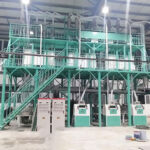
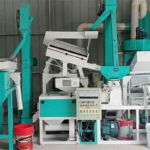
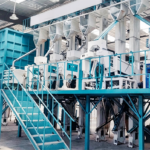
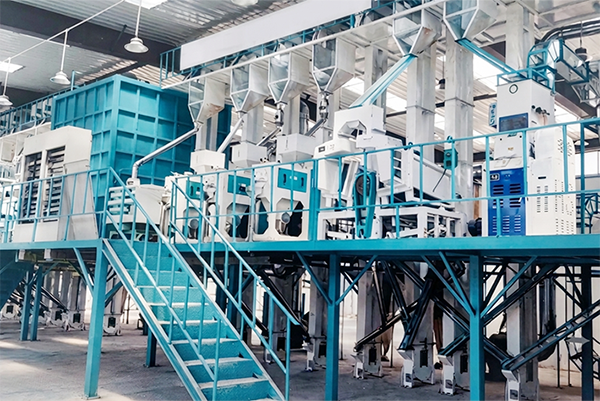

When evaluating the big rice mill machine price in Philippines for a 100-ton-per-day (100 TPD) commercial rice processing plant, buyers should expect a substantial investment ranging from approximately ranges from tens of thousands to hundreds of thousands of US dollars. for a complete fully automatic production line, depending on configuration, automation level, and brand origin. For context, the Philippine Department of Agriculture has been investing heavily in rice processing infrastructure—recently turning over a PHP60.6 million (approximately $1.1 million) Rice Processing System II to a cooperative in Isabela. While that package includes multiple components beyond just the mill, it illustrates the scale of investment required for modern, high-capacity rice processing in the Philippines. The big rice mill machine price in Philippines is shaped by multiple factors including processing capacity, automation sophistication, build quality, brand reputation, import duties, after-sales support, and local operating conditions. For commercial millers and cooperatives in rice-producing provinces like Nueva Ecija, Isabela, Iloilo, and Pampanga—where the government is aggressively rolling out Rice Processing Systems under the Bagong Pilipinas agricultural modernization program—understanding these cost drivers is essential for making a sound investment that delivers long-term profitability.
Below, we break down the key factors that influence the big rice mill machine price in Philippines for a 100 TPD fully automatic rice mill, helping you navigate this major capital investment with confidence.
Processing Capacity and Throughput Specifications
The defining feature of a “big” rice mill is its daily processing capacity. A 100 TPD line typically operates at approximately 4.2 tons per hour (based on a 24-hour operation cycle). This capacity demands larger motors, reinforced structural frames, more robust conveying systems, and higher-capacity huskers and whitening machines compared to smaller 15–50 TPD lines. The big rice mill machine price in Philippines scales significantly with capacity—a 100 TPD line can cost two to three times more than a 50 TPD line with similar specifications. Buyers should carefully match capacity to their expected daily paddy supply and market demand to avoid over-investing in unused capacity or under-investing and creating production bottlenecks.
Level of Automation
The degree of automation is one of the most significant drivers of the big rice mill machine price in Philippines. A fully automatic 100 TPD line features PLC control systems, automated feeding, real-time monitoring, and integrated sorting and bagging—substantially increasing initial investment but reducing labor requirements and human error. Semi-automatic versions of the same capacity are more affordable but require more manual intervention for feeding, monitoring, and bagging. For large-scale commercial operations in the Philippines, where labor costs are rising and consistent quality is essential for both domestic and export markets, the trade-off is clear: higher upfront cost versus lower long-term operational expenses and more consistent output.
Equipment Configuration and Component Selection
The big rice mill machine price in Philippines varies significantly based on what is included in the package. A complete 100 TPD combined rice mill typically integrates the full processing chain: cleaning, de-stoning, husking, paddy separation, whitening, polishing, color sorting, grading, and automated bagging. Many buyers opt for expanded configurations that add:
CCD color sorters to remove discolored grains (critical for export-grade rice)
Mist polishers for enhanced rice gloss and appearance
Automated weighing and bagging systems
Husk and bran processing equipment for byproduct utilization
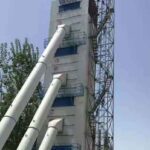
Grain silos for raw paddy and finished rice storage
Each additional component increases the big rice mill machine price in Philippines while also enhancing final product quality and operational efficiency. The quality of core components—motors, bearings, gearboxes, rubber rolls, and screens—also plays a crucial role. Machines using high-quality components command higher prices but offer superior durability and reduced downtime in the demanding Philippine tropical climate.
Build Quality, Material Durability, and Local Climate Considerations
The big rice mill machine price in Philippines is heavily influenced by the quality of materials used in construction. Machines built with thicker carbon steel frames, wear-resistant alloy components, and food-grade stainless steel contact surfaces command premium pricing but deliver superior longevity. Lower-priced alternatives may use thinner carbon steel or generic components, which increase maintenance frequency and downtime over the equipment’s lifespan.
For the Philippines, material durability is particularly critical. The country’s high humidity, seasonal typhoons, and tropical climate can accelerate corrosion and wear on equipment. Machines with proper anti-corrosion treatment, stainless steel components for food-contact surfaces, and weather-resistant electrical systems are essential investments for Philippine operators. The rice milling recovery rate—typically 63–65% for modern multi-stage mills compared to 55–58% for older single-pass systems—is also influenced by build quality, as precise component tolerances directly affect how efficiently rice is hulled and whitened.
Milling Method and Technology
The choice between single-pass and multi-pass milling significantly affects the big rice mill machine price in Philippines. Single-pass milling is simpler and less expensive but yields lower recovery rates—around 50–55%. Multi-pass milling, which involves multiple processing stages (husking, separating, whitening, polishing, grading), delivers higher quality polished rice with recovery rates of 63–65% or higher. For a 100 TPD operation processing over 36,000 tons of paddy annually, even a 5% improvement in recovery rate translates to hundreds of tons of additional milled rice per year—making the higher initial investment in multi-pass technology highly cost-effective.
Import Duties, Taxes, and Landed Cost
For imported rice mill machinery, the big rice mill machine price in Philippines must account for significant import-related costs. The Philippines employs the CIF (Cost, Insurance, and Freight) method for calculating import duties and taxes. Key cost components include:
Customs duties: Generally ranging from 0–30% depending on the HS code classification
Value-Added Tax (VAT): A standard 12% VAT applied to the total of the goods’ value plus import duty
Brokerage fees, import processing charges, and documentary stamps
These additional costs can add 20–40% or more to the base equipment price. Buyers should work with suppliers who provide clear CIF quotations and can assist with customs clearance to accurately project the total landed cost of their 100 TPD rice mill.
After-Sales Support, Warranty, and Spare Parts Availability
The big rice mill machine price in Philippines often includes—or excludes—critical after-sales services that affect total cost of ownership. Comprehensive support packages covering installation guidance, on-site commissioning, operator training, and remote troubleshooting add to the initial price but protect against costly downtime. For a 100 TPD commercial operation, even a few days of unplanned downtime can result in significant lost revenue.
Warranty terms also vary: most large rice mills offer a standard 12-month warranty, but the scope of coverage—particularly for wear parts like rollers, screens, and bearings—differs between suppliers. Buyers should evaluate whether the quoted big rice mill machine price in Philippines includes spare parts inventory, technical documentation, and responsive customer service. Given the Philippines’ archipelagic geography, parts availability and service response times are particularly important considerations for millers outside major urban centers.
Philippine Government Support and Financing Programs
The big rice mill machine price in Philippines can be partially offset by government support programs. The Department of Agriculture, through the Philippine Center for Postharvest Development and Mechanization (PhilMech) , has been aggressively rolling out Rice Processing Systems under the Rice Competitiveness Enhancement Fund (RCEF) Mechanization Program. To date, 151 Rice Processing Systems have been established nationwide, with 145 completed under the Marcos administration. The government has budgeted PHP 3.3 billion to roll out 300 more drying systems across the country.
For cooperatives and farmers’ associations, these programs can provide significant subsidies or full funding for rice processing equipment. The DA’s target is to raise rice drying capacity to 35–40% duringthe wet season—an increase that could be game-changing for a sector that loses up to 16% of potential yield due to postharvest inefficiencies. Commercial millers should explore eligibility for these programs, as government support can substantially reduce the effective big rice mill machine price in Philippines.
Operating Costs and Profitability Considerations
Beyond the initial big rice mill machine price in Philippines, buyers must evaluate ongoing operating costs. For a 100 TPD fully automatic line, key operational expenses include:
Electricity consumption: Power requirements scale with capacity and automation level
Labor costs: Fully automatic systems typically require only 2–4 operators per shift
Maintenance and spare parts: Wear items like rubber rolls, screens, and bearings require regular replacement
Raw material costs: Paddy rice prices, which fluctuate with seasons and government policies
The DA has emphasized that to break even, mill operators need at least 63% capacity utilization, with the optimal target being 80–85%. At this utilization rate, efficiency improves, costs decrease, and all parties—millers, farmers, and consumers—benefit. For a 100 TPD mill operating at 80% capacity, processing approximately 29,000 tons of paddy annually, the economics become highly favorable, particularly when modern multi-stage mills achieve recovery rates of 63–65% compared to older systems’ 55–58%. This recovery improvement alone can add hundreds of tons of additional milled rice to annual output, directly boosting profitability.
Summary
The big rice mill machine price in Philippines for a 100 TPD fully automatic rice processing line typically ranges from tens of thousands to hundreds of thousands of US dollars., depending on automation level, configuration, build quality, brand, import duties, and after-sales support. While the lowest-priced options may seem attractive, they often compromise on component durability and operational efficiency, leading to higher long-term costs and increased downtime in the demanding Philippine tropical climate.
For commercial millers, cooperatives, and agribusiness investors, the optimal investment balances upfront cost with reliable performance, high milling recovery (63–65%), low maintenance requirements, and strong technical support—factors that directly impact profitability in the competitive Philippine rice processing industry. With the government’s aggressive push for agricultural modernization under the Bagong Pilipinas vision, and the ongoing expansion of Rice Processing Systems nationwide, now is an opportune time to invest in large-scale rice milling capacity.
Kami ay nagpapahalaga sa iyong feedback! (We value your feedback!) If you found this guide helpful in understanding the big rice mill machine price in Philippines for 100 TPD operations, please leave a comment below sharing your experience, questions, or specific requirements. Know someone in the Philippine rice processing industry—perhaps a cooperative in Nueva Ecija, Isabela, or Iloilo—who might benefit from this information? I-share ang post na ito (Share this post) on your social media platforms—Facebook, LinkedIn, or Twitter—to help other Filipino millers and agribusiness investors make informed purchasing decisions. Your engagement helps us create more valuable content tailored to the needs of the Philippine agricultural community. Salamat po!