




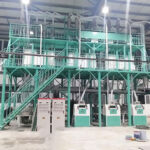
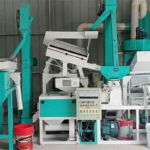
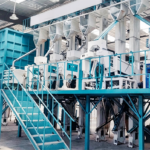
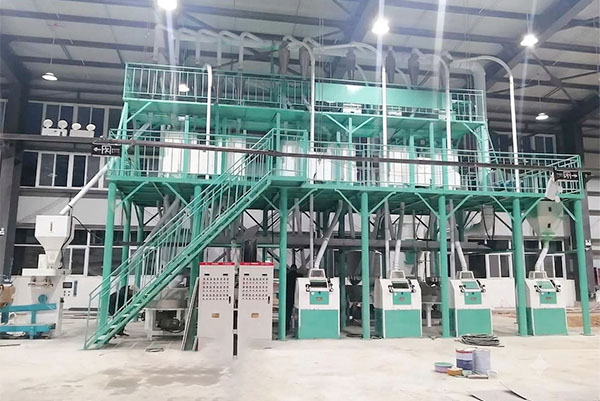

Para sa sinumang kasangkot sa industriya ng pagpoproseso ng butil—may-ari ka man ng gilingan, isang mamumuhunan, o isang propesyonal sa paggawa ng pagkain—pag-unawa samga hakbang sa pagproseso ng harina ng trigo ay mahalagang kaalaman. Alinya ng pagproseso ng harina ng trigo binabago ang mga hilaw na butil ng trigo tungo sa pinong giniling na harina na nagsisilbing backbone ng hindi mabilang na mga produktong pagkain sa buong mundo, mula sa tinapay at pasta hanggang sa mga cake at pastry. Ang pandaigdigang merkado ng harina ng trigo ay nagkakahalaga ng humigit-kumulang USD 190.3 bilyon sa 2025 at inaasahang aabot sa USD 242.7 bilyon sa pamamagitan ng 2031, lumalaki sa isang tambalang taunang rate ng paglago ng 4.14%. Ng humigit-kumulang 800 milyong tonelada ng trigo na ginawa taun-taon para sa pagkonsumo ng tao, halos 570 milyong tonelada ang pinoproseso upang maging harina sa mga industriyal na gilingan. Ang napakalaking sukat ng produksyon na ito ay umaasa sa mahusay, mahusay na disenyomga linya ng pagproseso ng harina ng trigo na patuloy na makapaghahatid ng mataas na kalidad na harina.
Isang kumpletolinya ng pagproseso ng harina ng trigo karaniwang binubuo ng ilang magkakaugnay na yugto: imbakan ng trigo, paglilinis, pagkondisyon (pagtitimpi), paggiling (kasama ang break, pagbabawas, at mga sistema ng pagsasala), at sa wakas ay nag-iimpake. Ang mga modernong mill ay maaaring magsama ng hanggang apat na break roller at labindalawang reduction roll, na may buong proseso na idinisenyo upang paghiwalayin ang tatlong pangunahing bahagi ng butil ng trigo—ang endosperm, ang mga layer ng bran, at ang mikrobyo—at bawasan ang endosperm sa pagkapino ng harina.
Sa komprehensibong gabay na ito, lalakad tayo sa bawat isa samga hakbang sa pagproseso ng harina ng trigo nang detalyado, pagpapaliwanag ng kagamitang ginamit, ang agham sa likod ng bawat yugto, at ang mga pagsasaalang-alang sa kalidad na pinakamahalaga sa produksyon ng komersyal na harina.
Hakbang 1: Pagtanggap at Pag-iimbak ng Trigo
Ang unang hakbang sa anumanglinya ng pagproseso ng harina ng trigo nagsisimula bago pa man pumasok ang trigo sa sistema ng paggiling. Pagdating ng trigo sa gilingan, ito ay sumasailalim sa isang serye ng mga pagsusuri sa kontrol sa kalidad upang masukat ang nilalaman ng kahalumigmigan, mga antas ng protina, at iba pang mga parameter ng kalidad. Tinutukoy ng pagsusuring ito ang mga pamantayan tulad ng nilalaman ng gluten at aktibidad ng amylase, at sa puntong ito nagagawa ang mga desisyon tungkol sa paghahalo ng iba't ibang uri ng trigo.
Kapag nasubok at naaprubahan, ang trigo ay ibinababa at iniimbak sa mga silo o bodega. Ang wastong pag-iimbak ay kritikal—ang trigo ay dapat itago sa mga kondisyon na pumipigil sa pagkasira, infestation ng insekto, at pagkasira ng kahalumigmigan. Ang sistema ng imbakan sa alinya ng pagproseso ng harina ng trigo karaniwang may kasamang mga conveyor at elevator para ilipat ang butil mula sa reception patungo sa storage at pagkatapos ay sa cleaning section kapag oras na para sa pagproseso.
Hakbang 2: Paglilinis – Pag-alis ng mga Dumi
Ang paglilinis ay isa sa mga pinaka kritikalmga hakbang sa pagproseso ng harina ng trigo. Ang trigo na inani mula sa bukid ay naglalaman ng malawak na hanay ng mga dumi: mga bato, alikabok, mga balat, mga buto ng damo, ipa, mga fragment ng metal, at iba pang mga dayuhang materyales. Bago gilingin ang trigo, lahat ng mga impurities na ito ay dapat alisin upang maprotektahan ang mga kagamitan sa paggiling at matiyak ang kalidad ng harina.
Isang karaniwang sistema ng paglilinis sa alinya ng pagproseso ng harina ng trigo gumagamit ng maraming makina na gumagamit ng mga pagkakaiba sa laki, timbang, hugis, at density upang ihiwalay at alisin ang mga impurities:
- Mga Aspirator gumamit ng malalakas na buhangin ng hangin upang alisin ang mas magaan na mga dumi tulad ng ipa at alikabok.
- Mga separator ng disc alisin ang barley, oats, at iba pang mga dayuhang binhi.
- Mga Destoner hiwalay na mga bato at iba pang mabibigat na materyales mula sa trigo.
- Mga scourer masiglang itaboy ang trigo laban sa butas-butas na mga pambalot ng bakal upang alisin ang dumi na nakakulong sa tupi ng wheat berry.
- Mga magnetic separator alisin ang anumang mga kontaminadong bakal o bakal na maaaring makapinsala sa mga roller mill.
Sa modernong paggiling, ang trigo ay maaaring linisin ng dalawa o kahit tatlong beses bago ito magpatuloy sa susunod na yugto. Ang seksyon ng paglilinis ng alinya ng pagproseso ng harina ng trigo karaniwang may kasamang vibrating sieves, mga tagalaglag, mga magnetic separator, at mga scourer na gumagana sa pagkakasunud-sunod.
Hakbang 3: Pagkondisyon (Tempering)
Pagkatapos maglinis, ang trigo ay lumipat sa yugto ng pagkondisyon—kilala rin bilang tempering. Isa ito sa pinakamahalagamga hakbang sa pagproseso ng harina ng trigo para sa pagkamit ng pinakamainam na resulta ng paggiling.
Sa panahon ng conditioning, tubig ay idinagdag sa trigo sa maingat na kinokontrol na mga halaga. Ang tubig ay nagsisilbi ng dalawang kritikal na layunin: pinatigas nito ang mga panlabas na layer ng bran, ginagawa itong mas nababaluktot at mas madaling alisin bilang mas malalaking piraso sa panahon ng paggiling, at pinapalambot nito ang panloob na endosperm upang mapadali ang pagbawas nito sa harina. Ang proseso ng tempering na ito ay mahalaga dahil pinipigilan nito ang bran na mapulbos sa harina, na magpapadilim sa huling produkto.
Ang proseso ng pagkondisyon ay karaniwang nangyayari sa dalawang yugto, bilang ang maximum na kahalumigmigan na maaaring idagdag sa isang pass ay humigit-kumulang 5%. Ang trigo ay karaniwang nakakondisyon sa isang moisture content na 15–17% bago gilingin. Pagkatapos magdagdag ng tubig, ang trigo ay inililipat sa mga conditioning bins o silo kung saan ito pinapayagang magpahinga sa loob ng isang panahon—minsan hanggang 24 oras—upang matiyak ang pare-parehong pamamahagi ng kahalumigmigan sa buong butil.
Ang ilanmga linya ng pagproseso ng harina ng trigo isama ang isang intensive dampener na nagpapabilis sa proseso ng conditioning, na sinusundan ng mga tempering bin kung saan nakalagay ang trigo bago ang pangalawang paglilinis at paggiling.
Hakbang 4: Ang Sistema ng Paggiling – Break, Pagbawas, at Pagsasala
Ang sistema ng paggiling ay ang puso ng anumanlinya ng pagproseso ng harina ng trigo. Hindi tulad ng mga gilingan ng butil ng sambahayan na lumilikha ng harina sa isang hakbang, ang mga komersyal na gilingan ng harina ay sinisira ang butil sa sunud-sunod na unti-unting mga hakbang. Tinitiyak ng unti-unting diskarte na ito na ang maliit na bran at mikrobyo ay nahahalo sa endosperm, paggawa ng mas malinis, mas mataas na kalidad na harina.
Ang buong proseso ng paggiling ay mauunawaan bilang pag-uulit ng dalawang pangunahing operasyon: paggiling at pagsala. Ang mga modernong roller mill ay gumagamit ng isang serye ng mga roller, bawat isa ay may mga tiyak na katangian, upang unti-unting bawasan ang mga butil ng trigo habang pinaghihiwalay ang harina sa bawat yugto.
Ang Sistema ng Break
Ang break system ay kung saan ang butil ng trigo ay unang binuksan at pira-piraso. Ang trigo ay dumadaan sa isang serye ng fluted o corrugated break roll. Ang isang pares ng mga break roll ay hindi umiikot sa parehong bilis-ang tuktok na roller ay karaniwang tumatakbo nang humigit-kumulang dalawang beses sa bilis ng mas mababang roller. Ang speed differential na ito ay lumilikha ng pagkilos ng paggugupit na pumupunit sa butil ng trigo sa halip na pulbusin ito.
Ang pagbubukas ng butil sa ganitong paraan ay nagbibigay ng mas mahusay na pag-access sa mga endosperm particle sa loob. Ang mga layunin sa yugto ng pahinga ay dalawa: upang paghiwalayin ang mas maraming bran at mikrobyo hangga't maaari mula sa endosperm, at upang mapakinabangan ang harina na nakuha mula sa nagresultang endosperm.
Matapos dumaan sa bawat hanay ng mga break roll, ang mga particle ay pinagsunod-sunod sa isang sifting machine. Ang harina ay tinanggal, at ang magaspang na materyal na branny ay ibinalik sa mga break roll upang paghiwalayin ang anumang harina na nakakabit pa sa bran.
Ang Sifting System (Plan sifters)
Ang pagsasala ay mahalaga sa bawat yugto ngmga hakbang sa pagproseso ng harina ng trigo. Pagkatapos ng bawat paggiling pass, ang ground stock ay dapat na inuri ayon sa laki ng butil. Ang mga plansifter ay ang pangunahing mga makina na ginagamit para sa layuning ito. Ang mga makinang ito ay naglalaman ng maraming sieves na nakasalansan nang patayo, na may mga mata ng iba't ibang laki.
Ang plansifter ay naghihiwalay sa materyal sa lupa sa iba't ibang mga praksyon: harina (ang pinakamahusay na mga particle), magaspang na mga particle ng endosperm (middlings o semolina), at bran. Kinokolekta ang harina na ginawa sa bawat yugto, habang ang mga magaspang na particle ay ipinapadala sa kasunod na mga yugto ng paggiling.
Ang Sistema ng Paglilinis
Ang mga tagapaglinis ay gumaganap ng isang kritikal na papel sa alinya ng pagproseso ng harina ng trigo sa pamamagitan ng paghihiwalay ng pinong harina mula sa harina na naglalaman ng mga butil ng bran. Pinapabuti ng hakbang na ito ang kalidad ng harina sa pamamagitan ng pagtiyak na mababawasan ang kontaminasyon ng bran. Gumagamit ang mga purifier ng kumbinasyon ng sieving at air aspiration upang paghiwalayin ang mga particle batay sa parehong laki at density.
Ang Sistema ng Pagbawas
Ang sistema ng pagbabawas ay kung saan ang mga endosperm particle—na kilala bilang semolina o middlings—ay unti-unting dinudurog sa pinong harina. Ang mga reduction roll ay makinis, hindi tulad ng mga fluted break roll.
Isang tipikallinya ng pagproseso ng harina ng trigo maaaring kasama 12 o higit pang mga reduction roll. Ang bawat reduction pass ay gumiling ng mga particle ng semolina nang mas pinong, at pagkatapos ng bawat pass, ang ground stock ay dumadaan sa mga plansifters upang kunin ang harina.
Ang ilang mga particle ng harina ay dadaan lamang sa isang break roll at isang reduction roll, habang ang mga mas malapit sa mga layer ng bran at mikrobyo ay dadaan sa maraming roll. Ang modernong proseso ng paggiling ay nagpapahintulot sa tagagiling na alisin ang mga particle ng bran mula sa endosperm, gilingin ang endosperm sa harina, salain ang stock ng lupa, at alisin ang harina na ginawa sa bawat yugto.
Sa ilangmga linya ng pagproseso ng harina ng trigo, Ang mga impact detacher ay inilalagay sa pagitan ng mga reduction roll at ng mga plansifter. Ang mga device na ito ay nakakagambala sa mga natuklap bago magsala, pagpapabuti ng kahusayan ng proseso ng pagsasala.
Ang Tailings System
Ang sistema ng tailings ay responsable para sa paghihiwalay ng anumang natitirang hibla o bran mula sa endosperm na nakuhang muli mula sa iba pang mga sistema. Tinitiyak nito ang maximum na pagkuha ng harina at pinapaliit ang basura.
Hakbang 5: Paghahalo at Paggamot ng Flour
Matapos makumpleto ang proseso ng paggiling, ang harina na nakuha mula sa iba't ibang mga roll at sifters ay may iba't ibang kalidad depende sa kung kailan ito inalis sa system. Ang mga gilingan ay maaaring maghalo ng mga harina mula sa iba't ibang bahagi ng system upang makamit ang mga partikular na detalye ng harina.
Ang paghahalo ay isang mahalagang hakbang sa maramimga linya ng pagproseso ng harina ng trigo. Sa pamamagitan ng pagsasama-sama ng maraming iba't ibang daloy ng harina na ginawa ng gilingan, ang isang tagagiling ay maaaring lumikha ng mga pagkakaiba-iba sa kulay ng harina, nilalaman ng protina, nilalaman ng abo, at pagganap ng pagluluto sa hurno. Ang mga napakaputing harina ay nagmumula lamang sa mga unang sapa, habang ang mga brown na harina ay kinabibilangan ng paggamit ng karamihan sa mga batis. Ang wholemeal na harina ay nagagawa kapag ang lahat ng mga batis-bran, mikrobyo, at mga harina—ay pinaghalo pabalik nang walang inalis.
Sa ilang mga kaso, Ang mga huling hakbang sa paggamot ay maaaring magsama ng pagpapayaman (pagdaragdag ng mga bitamina at mineral na nawala sa panahon ng paggiling), pagpapaputi, o pandagdag ng enzyme. Ang mga paggamot na ito ay ginagamit upang makabuo ng mga dalubhasang harina para sa mga partikular na aplikasyon sa pagbe-bake.
Hakbang 6: Pag-iimbak at Pag-iimbak
Ang huling yugto ng alinya ng pagproseso ng harina ng trigo ay nag-iimpake ng tapos na harina para sa pamamahagi. Ang harina ay karaniwang nakaimpake sa mga bag na may iba't ibang laki, mula sa maliliit na retail na pakete hanggang sa malalaking sako ng industriya.
Modernomga linya ng pagproseso ng harina ng trigo isama ang mga awtomatikong packing system na tumitimbang, punan, at mga seal bag na may mataas na kahusayan. Ang seksyon ng pag-iimpake ay maaari ding magsama ng mga kagamitan sa pagsasalansan upang maghanda ng mga pallet para sa pagpapadala.
Ang mga gilingan ay maaari ding gumawa ng mga produktong may halaga tulad ng mga self-raising flour, mga harina ng pastry, at mga premix sa pamamagitan ng pagdaragdag ng mga sangkap sa baseng harina.
Quality Control sa Buong Linya ng Pagproseso ng Wheat Flour
Ang kontrol sa kalidad ay hindi isang hakbang kundi isang patuloy na proseso sa lahatmga hakbang sa pagproseso ng harina ng trigo. Mula sa paunang pagsusuri ng butil hanggang sa huling naka-pack na produkto, patuloy na sinusubaybayan ang mga parameter ng kalidad.
Kabilang sa mga pangunahing aspeto ng kalidad sa paggiling ng harina:
- nilalaman ng abo: Isang tagapagpahiwatig ng kontaminasyon ng bran; Ang mas mababang nilalaman ng abo sa pangkalahatan ay nangangahulugang mas maputi, mas mataas na kalidad na harina
- Nilalaman ng protina: Tinutukoy ang lakas ng pagluluto ng harina
- Nilalaman ng kahalumigmigan: Nakakaapekto sa shelf life at baking performance
- Pamamahagi ng laki ng butil: Nakakaimpluwensya sa functionality ng harina sa iba't ibang aplikasyon
- Napinsalang almirol: Nakakaapekto sa pagsipsip ng tubig at mga katangian ng pagluluto sa hurno
Ang mga standardized na pamamaraan na itinatag ng mga organisasyon tulad ng American Association of Cereal Chemists ay ginagamit upang suriin ang mga parameter na ito sa panahon ng paggiling.
Automation sa Modernong Wheat Flour Processing Lines
ngayong arawmga linya ng pagproseso ng harina ng trigo ay lalong nilagyan ng mga advanced na automation at control system. Ang mga modernong linya ng produksyon ng harina ay gumagamit ng ganap na pinagsama-samang mga sistema ng automation na nagbibigay-daan sa sentralisadong kontrol ng produksyon, katiyakan ng kalidad, pamamahala ng enerhiya, at mga operasyon sa pagpapanatili.
Sa core ng automation framework na ito ay ang PLC (Mga Programmable Logic Controller) at SCADA (Kontrol sa Pangangasiwa at Pagkuha ng Data) mga sistema. Ang mga sistemang ito ay awtomatikong nagpapakita ng hilaw na trigo, malinis na trigo, harina, at dami ng daloy ng bran, at isama ang mga fault alarm system at mga kakayahan sa pagsusuri sa kasaysayan. Premiummga linya ng pagproseso ng harina ng trigo madalas na gumagamit ng Siemens o Schneider na mga de-koryenteng bahagi at Omron sensor.
Automation sa alinya ng pagproseso ng harina ng trigo nag-aalok ng makabuluhang benepisyo: nabawasan ang mga gastos sa paggawa, pinahusay na pagkakapare-pareho ng produkto, mas mahusay na kahusayan ng enerhiya, at real-time na pagsubaybay sa mga parameter ng produksyon. Ang ilang mga advanced na system ay nagsasama pa ng mga sensor na muling nagsusuri at kumokontrol sa pamamahagi ng feed sa buong proseso ng paggiling.
Mga Pagsasaalang-alang sa Pamumuhunan para sa Linya sa Pagproseso ng Wheat Flour
Ang halaga ng pagtatatag ng alinya ng pagproseso ng harina ng trigo malawak na nag-iiba batay sa kapasidad, antas ng automation, at pagsasaayos. Ang isang maliit na manual flour mill na may kapasidad na 300–500 kg kada oras ay nagkakahalaga ng humigit-kumulang USD 3,500, habang ang isang ganap na awtomatikong mill na may 30-toneladang pang-araw-araw na kapasidad ay nasa paligid ng USD 38,000.
Para sa mas malalaking operasyon, mga linya ng pagproseso ng harina ng trigo na may kapasidad na 40–500 tonelada bawat araw ay kumakatawan sa mga makabuluhang pamumuhunan. Ang partikular na presyo ay depende sa configuration ng makina, tatak, at mga karagdagang feature gaya ng flour blending system at advanced automation. Karaniwang kasama sa mga proyekto ng turnkey ang disenyo ng engineering, pag-install, pagkomisyon, at pagsasanay sa manggagawa.
Kapag sinusuri ang alinya ng pagproseso ng harina ng trigo, dapat isaalang-alang ng mga mamimili hindi lamang ang paunang presyo ng pagbili kundi pati na rin ang patuloy na mga kadahilanan tulad ng pagkonsumo ng enerhiya, mga kinakailangan sa pagpapanatili, pagkakaroon ng mga ekstrang bahagi, at suporta pagkatapos ng benta.
Buod
Pag-unawa samga hakbang sa pagproseso ng harina ng trigo ay mahalaga para sa sinumang kasangkot sa industriya ng paggiling ng harina. Isang kumpletolinya ng pagproseso ng harina ng trigo binabago ang hilaw na trigo sa mataas na kalidad na harina sa pamamagitan ng maingat na pagkakasunod-sunod ng mga operasyon: pagtanggap at imbakan, paglilinis, pagkondisyon, masira ang paggiling, pagsala, paglilinis, pagbabawas ng paggiling, paghahalo, at pag-iimpake.
Ang yugto ng paglilinis ay nag-aalis ng mga dumi na maaaring makapinsala sa kagamitan o makompromiso ang kalidad ng harina. Pinapalambot ng pagkondisyon ang endosperm at pinatigas ang bran para sa pinakamainam na paghihiwalay. Ang sistema ng paggiling—binubuo ng mga break roll, plan sifters, mga tagapaglinis, at reduction rolls—progresibong hinihiwalay ang endosperm mula sa bran at mikrobyo at ginagawa itong harina. Sa wakas, paghahalo at pag-iimpake ihanda ang tapos na produkto para sa merkado.
Sa pandaigdigang merkado ng harina ng trigo na inaasahang aabot sa USD 242.7 bilyon pagdating ng 2031 at humigit-kumulang 570 milyong tonelada ng trigo na naproseso upang maging harina taun-taon sa mga industriyal na gilingan, ang pangangailangan para sa mahusay, mataas ang kalidadmga linya ng pagproseso ng harina ng trigo patuloy na lumalaki. Ang mga modernong mill ay tinatanggap ang automation, digitalization, at mga advanced na sistema ng kontrol upang mapabuti ang kahusayan, pagkakapare-pareho, at kalidad ng produkto.
Kung ikaw ay nagbabalak na magtatag ng isang bagong gilingan, i-upgrade ang isang umiiral na pasilidad, o palalimin lamang ang iyong pag-unawa sa paggawa ng harina, mastering angmga hakbang sa pagproseso ng harina ng trigo ay ang pundasyon ng tagumpay sa mahalagang industriyang ito.
Nais naming marinig mula sa iyo!
Nahanap mo ba itong komprehensibong gabay samga hakbang sa pagproseso ng harina ng trigo nakakatulong? Mayroon ka bang mga partikular na katanungan tungkol sa pagpili ng tamang kagamitan, pag-optimize ng iyong proseso ng paggiling, o pagpaplano ng bagolinya ng pagproseso ng harina ng trigo? Gusto naming marinig ang iyong mga iniisip!
📝Mag-iwan ng komento sa ibaba – ibahagi ang iyong karanasan sa industriya ng paggiling ng harina, magtanong, o ipaalam sa amin kung anong mga paksa ang gusto mong susunod naming saklawin. Kung ikaw ay may-ari ng gilingan, isang supplier ng kagamitan, o isang mamumuhunan na naggalugad sa sektor ng pagproseso ng butil, ang iyong mga insight ay nakakatulong sa aming buong komunidad na gumawa ng mga desisyon na may mas mahusay na kaalaman.
📤Ibahagi ang post na ito – kung nakita mong mahalaga ang impormasyong ito, mangyaring ibahagi ito sa iyong network sa Facebook, LinkedIn, Twitter, o WhatsApp. Tulungan ang ibang mga propesyonal sa pagproseso ng butil na mag-navigate samga hakbang sa pagproseso ng harina ng trigo nang may kumpiyansa!