






When evaluating the commercial rice mill machine price for a 15-20 ton per day combined rice mill, buyers typically encounter a wide range—from approximately several thousand to tens of thousands of US dollars for basic configurations, while fully equipped automated systems can reach tens of thousands of US dollars or more. For reference, small-scale rice processing plants in the 15-20 TPD range are generally priced between several thousand to tens of thousands of US dollars for mid-range automated systems, with Chinese-built mills typically priced 25–40% lower than their European counterparts. But what exactly determines these price variations? The commercial rice mill machine price is shaped by multiple interrelated factors—from automation levels and component quality to brand reputation and after-sales support. Understanding these elements is essential for making a cost-effective investment that delivers long-term value.
Below, we break down the key factors that influence the commercial rice mill machine price for a 15-20 TPD combined rice mill, helping you navigate the purchasing decision with confidence.
Automation Level: Manual vs. Semi-Automatic vs. Fully Automatic
The degree of automation is one of the most significant drivers of the commercial rice mill machine price. A fully automatic 15-20 TPD combined rice mill is equipped with PLC control systems, automated feeding, and real-time monitoring capabilities, which substantially increase the initial investment. However, these systems reduce labor requirements—typically 2–3 workers are sufficient to operate the entire line—and minimize human error during the milling process.
Manual or semi-automatic versions of the same capacity are more affordable, with automatic configurations commanding a premium primarily due to the advanced automation hardware and software integration. For commercial operators, the trade-off is clear: higher upfront cost versus lower long-term labor expenses and more consistent output quality.
Equipment Configuration and Component Selection
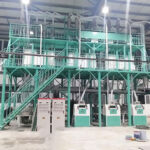
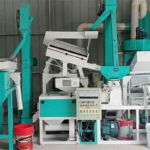
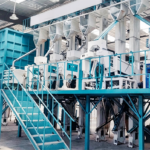
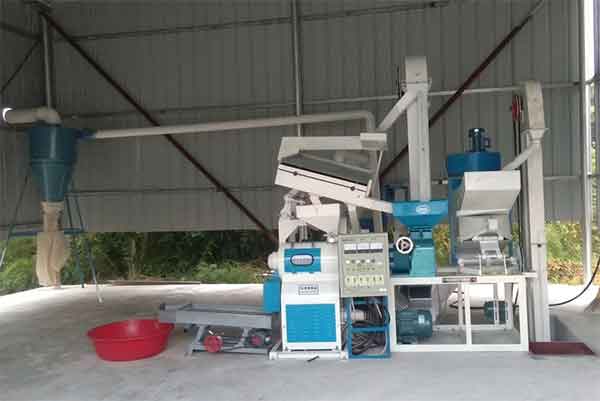
The commercial rice mill machine price varies significantly based on what is included in the package. A basic 15-20 TPD combined rice mill typically integrates cleaning, de-stoning, husking, paddy separation, whitening, and broken rice grading functions. However, many buyers opt for expanded configurations that add:
Mist polishers for enhanced rice gloss
CCD color sorters to remove discolored grains
Packing machines for automated bagging
Husk crushers for byproduct utilization
Each additional component increases the commercial rice mill machine price while also enhancing the final product quality and operational efficiency. The quality of core components—motors, bearings, gearboxes, and rollers—also plays a crucial role. Machines using heat-treated carbon steel rollers, vibration-dampening frames, and food-grade stainless steel contact surfaces command higher prices but offer superior durability and reduced grain contamination.
Processing Capacity and Throughput Specifications
Within the 15-20 TPD range, the commercial rice mill machine price scales with precise capacity. A 15 TPD unit may start around $4,200, while a 20 TPD model with similar specifications commands a higher price. The throughput rate—typically 0.55–0.75 tons per hour for 15 TPD models and 0.80–1.00 tons per hour for 20 TPD models—directly correlates with motor power requirements (19.6kW vs. 24.3kW respectively).
Higher capacity means larger motors, reinforced structural frames, and more robust conveying systems, all of which contribute to a higher commercial rice mill machine price. Buyers should match capacity precisely to their expected daily processing volume to avoid overpaying for unused capacity or under-investing and creating production bottlenecks.
Build Quality and Material Durability
The commercial rice mill machine price is heavily influenced by the quality of materials used in construction. Machines built with thicker carbon steel frames, wear-resistant alloy rollers, and precision-engineered screens command premium pricing but deliver superior longevity. Lower-priced alternatives may use thinner carbon steel or generic motors, which increase maintenance frequency and downtime over the equipment’s lifespan.
For rice processing, where abrasive husks and continuous operation create significant wear, investing in durable materials pays dividends through reduced replacement costs and consistent milling performance. The rice milling rate—typically 68–75% for quality 15-20 TPD combined mills—is also influenced by build quality, as precise component tolerances directly affect how efficiently rice is hulled and whitened.
After-Sales Support and Warranty Terms
The commercial rice mill machine price often includes—or excludes—critical after-sales services that affect total cost of ownership. Comprehensive support packages covering installation guidance, on-site commissioning, operator training, and remote troubleshooting add to the initial price but protect against costly downtime.
Warranty terms also vary: most 15-20 TPD combined rice mills offer a standard 12-month warranty, but the scope of coverage—particularly for wear parts like rollers and screens—differs between suppliers. Buyers should evaluate whether the quoted commercial rice mill machine price includes spare parts inventory, technical documentation, and responsive customer service with response times under three hours for critical issues.
Summary
The commercial rice mill machine price for a 15-20 TPD combined rice mill typically ranges from several thousand to tens of thousands of US dollars, depending on automation level, configuration, capacity, material quality, and after-sales support. While the lowest-priced options may seem attractive, they often compromise on component durability and operational efficiency, leading to higher long-term costs. For commercial operators, the optimal investment balances upfront cost with reliable performance, low maintenance requirements, and strong technical support—factors that directly impact profitability in the competitive rice processing industry.
When evaluating suppliers, look for manufacturers that provide video walkthroughs of test runs, sample batch milling results, or third-party inspection reports from agencies like SGS or Bureau Veritas. These verifications offer tangible proof of equipment capability and build confidence in your purchase decision.
We value your feedback! If you found this guide helpful in understanding the commercial rice mill machine price landscape, please leave a comment below sharing your experience or questions. Know someone in the rice processing industry who might benefit from this information? Share this post on your social media platforms—Facebook, LinkedIn, or Twitter—to help others make informed purchasing decisions. Your engagement helps us create more valuable content tailored to your needs.
One response to “Commercial Rice Mill Machine Price”
Hi, this is a comment.
To get started with moderating, editing, and deleting comments, please visit the Comments screen in the dashboard.
Commenter avatars come from Gravatar.